The Big Idea Behind Polymers
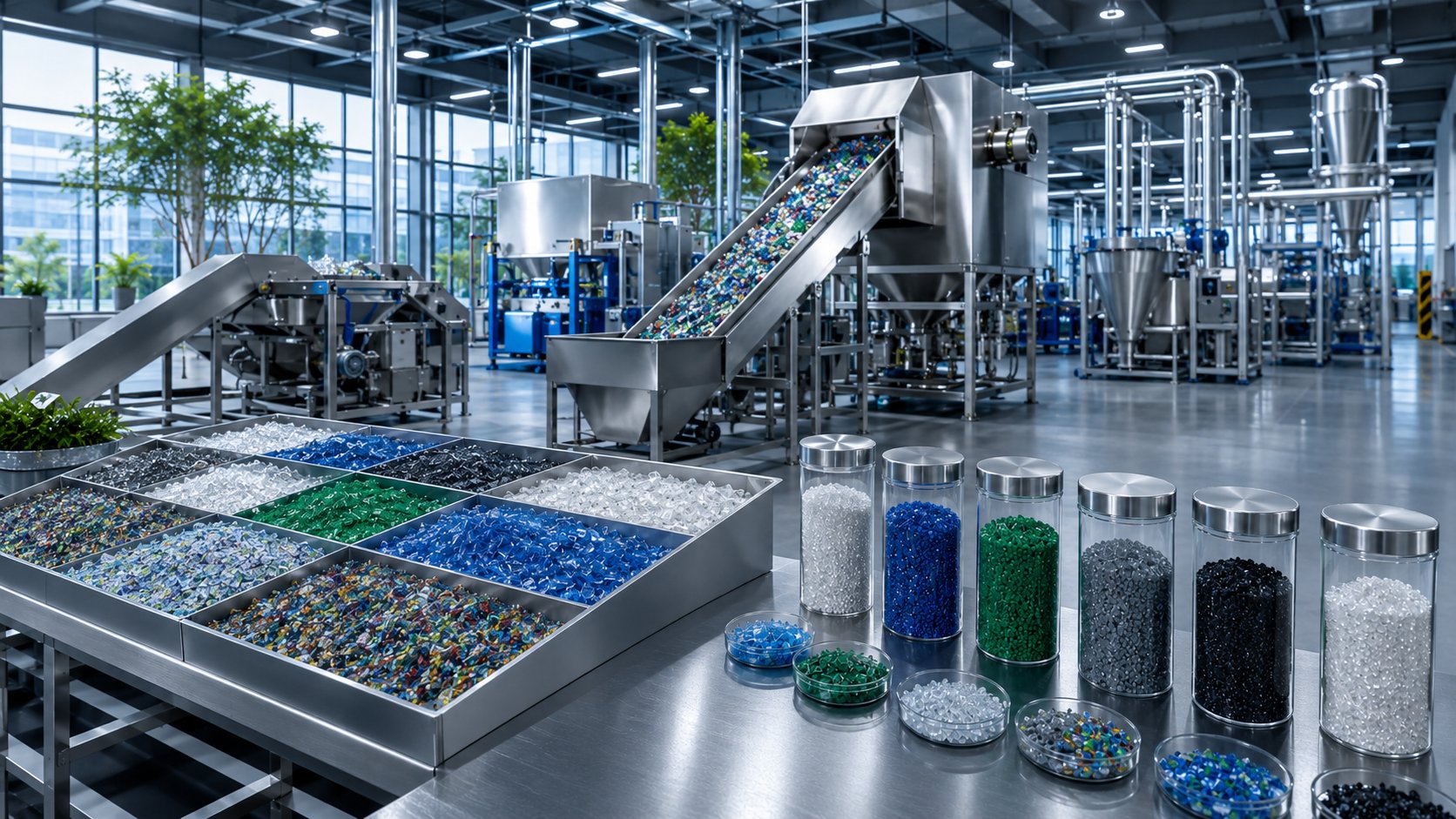
Polymers are some of the most important materials in the modern world, yet many people encounter them every day without knowing their name. They appear in plastic bottles, phone cases, medical tubing, car parts, clothing fibers, tires, adhesives, paints, packaging films, 3D printed prototypes, kitchen tools, insulation, safety gear, and high-performance composites. If the modern world had a hidden material language, polymers would be one of its most expressive alphabets. At the simplest level, a polymer is a large molecule made from repeating smaller units called monomers. These monomers connect like links in a chain, creating long molecular structures with unique behaviors. Some polymer chains form soft, flexible materials. Others create rigid, transparent, tough, rubbery, heat-resistant, slippery, absorbent, or electrically insulating materials. By changing the monomer, chain length, molecular arrangement, additives, and processing method, scientists and manufacturers can create an enormous range of materials. The word “polymer” comes from roots meaning “many parts,” which is a perfect description. A polymer is not just one molecule doing one job. It is a system of repeated units working together to create a material with useful properties. This is why polymers can be engineered for everything from disposable packaging to aerospace components, from surgical devices to outdoor furniture, from stretchy clothing to advanced electronics.
A: Clear design intent, suitable material, controlled setup, safe workflow, and repeatable inspection.
A: It shows how the material and tool settings behave before the final part is at risk.
A: No. Tighter tolerance costs more and only helps when the function requires it.
A: Tool wear, speed, feed, abrasive choice, heat, vibration, or weak support can all contribute.
A: Heat, internal stress, uneven removal, poor clamping, or forming pressure can move material.
A: Use templates, mark clearly, cut oversize when appropriate, and inspect before each irreversible step.
A: Prototypes test ideas, while production work controls repeatability.
A: Surface prep, cleaning, masking, curing, and inspection often require more time than the main cut.
A: Ventilation and dust control are often overlooked until a process creates fumes or fine particles.
A: Confirm fit, function, finish, documentation, and any maintenance needs.
Polymers Are More Than Plastics
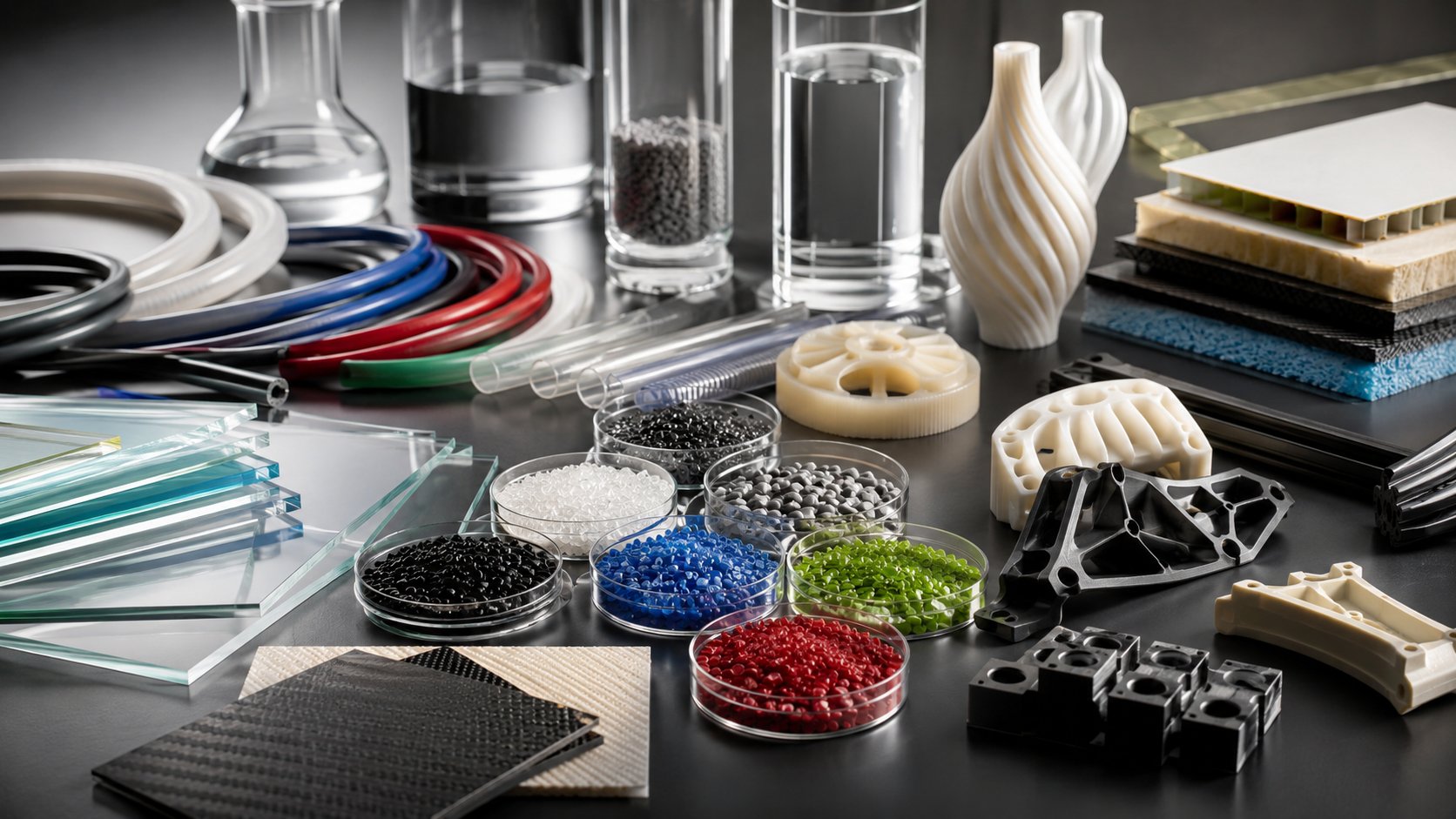
Many people hear “polymer” and think “plastic,” but plastics are only one part of the polymer universe. A plastic is typically a polymer-based material that can be shaped into useful forms, often with additives that improve color, flexibility, strength, UV resistance, flame resistance, or processing. However, polymers also include rubber, silicone, fibers, resins, foams, adhesives, coatings, films, gels, and even natural materials.
Natural polymers existed long before synthetic plastics. Cellulose in plants, proteins in the body, natural rubber from trees, DNA, wool, silk, starch, and chitin are all examples of natural polymers. Life itself depends on polymer structures. DNA stores genetic information. Proteins build tissues and support biological functions. Cellulose gives plants strength. Natural rubber provides elasticity.
Synthetic polymers expanded this natural idea into industrial and consumer materials. Polyethylene, polypropylene, nylon, polyester, acrylic, PVC, ABS, polycarbonate, silicone, epoxy, polyurethane, and PTFE are all synthetic or engineered polymer materials. These materials can be designed, manufactured, and modified for specific performance goals. The result is a field that combines chemistry, engineering, design, manufacturing, sustainability, and product innovation.
How Polymer Structure Works
The structure of a polymer begins with monomers. These small molecules react and connect through a process called polymerization. When many monomers join together, they form long chains. The chemical identity of the monomer determines the foundation of the polymer’s properties, but the final behavior depends on much more than chemistry alone.
Polymer chains can be linear, branched, crosslinked, or networked. Linear polymers are made of long, mostly straight chains. Branched polymers have side chains extending from the main chain, which can affect density, flexibility, and melting behavior. Crosslinked polymers have chemical bridges between chains, creating more stable or elastic structures. Highly crosslinked networks can become rigid and permanent, as seen in many thermoset resins. Molecular weight also matters. Longer chains generally create stronger, tougher, or more viscous materials because the chains tangle and interact more. Shorter chains may flow more easily but provide less mechanical strength. The way chains pack together is equally important. Some polymers form crystalline regions where chains align in an orderly way. Others are amorphous, with chains arranged more randomly. Many polymers contain both crystalline and amorphous regions, creating a balance of stiffness, toughness, clarity, and melting behavior.
Thermoplastics, Thermosets, and Elastomers
Polymers are often grouped into three major categories: thermoplastics, thermosets, and elastomers. These categories help explain how materials behave during processing and use.
Thermoplastics soften when heated and harden when cooled. This makes them moldable, weldable, extrudable, printable, and often recyclable. Common thermoplastics include polyethylene, polypropylene, PET, PVC, acrylic, ABS, nylon, acetal, and polycarbonate. These materials are used in packaging, housings, bottles, pipes, sheets, automotive parts, consumer goods, medical devices, and many other products.
Thermosets cure into a permanent structure. Once cured, they do not melt and reshape like thermoplastics. Epoxy, phenolic resin, melamine, certain polyurethanes, and unsaturated polyester resins are examples. Thermosets are used when dimensional stability, chemical resistance, heat resistance, adhesion, or composite strength is important. They appear in circuit boards, coatings, adhesives, structural composites, castings, and electrical components.
Elastomers are rubberlike polymers that stretch and recover. Silicone, natural rubber, nitrile rubber, neoprene, EPDM, and thermoplastic elastomers are common examples. These materials are essential for seals, gaskets, tubing, tires, grips, cushions, vibration dampers, wearable products, and flexible components. Their ability to deform and return to shape makes them critical in products that need comfort, sealing, motion, or resilience.
Why Polymer Properties Can Be So Different
One of the most fascinating things about polymers is how dramatically their properties can vary. A polymer can be transparent or opaque, stiff or soft, brittle or tough, slippery or grippy, absorbent or water-resistant, heat-sensitive or heat-resistant. These differences come from molecular structure, additives, processing conditions, and final part design.
Strength and toughness depend on chain structure, crystallinity, molecular weight, reinforcement, and temperature. Flexibility depends on chain mobility and how easily the molecules move past one another. Transparency depends on how light passes through the material and whether crystalline regions scatter that light. Chemical resistance depends on the polymer’s chemistry and how easily solvents or chemicals can interact with the chains.
Temperature has a major effect on polymer behavior. Some polymers soften at relatively low temperatures, while others withstand demanding heat. The glass transition temperature marks a point where an amorphous polymer shifts from hard and glassy to softer and more rubberlike. Melting temperature matters for crystalline thermoplastics. Heat deflection temperature helps designers understand how a plastic part may perform under load in warm conditions. Additives can transform performance. Plasticizers make materials softer. UV stabilizers help resist sunlight damage. Flame retardants improve fire performance. Impact modifiers increase toughness. Fillers reduce cost or improve stiffness. Glass fibers, carbon fibers, and minerals can reinforce polymers for engineering applications. Colorants, lubricants, antioxidants, and processing aids help fine-tune the final material.
Common Polymer Materials and Their Uses
Polyethylene is one of the most widely used polymers. It appears in packaging films, containers, tanks, cutting boards, pipes, lids, bags, and industrial parts. High-density polyethylene is tougher and more rigid, while low-density polyethylene is softer and more flexible.
Polypropylene is lightweight, chemical-resistant, and excellent for parts that need repeated flexing. It is used in living hinges, containers, caps, automotive components, labware, packaging, textiles, and medical products. Its fatigue resistance makes it especially valuable in snap lids and flexible closures. PET is known for beverage bottles, food containers, polyester fibers, films, and packaging. It offers good strength, clarity, and barrier properties. PETG, a related material, is easier to form and fabricate, making it popular for displays, guards, packaging, and 3D printing.
PVC is highly versatile because it can be rigid or flexible. Rigid PVC is used for pipe, siding, panels, cards, and profiles. Flexible PVC appears in tubing, cable insulation, flooring, protective covers, and soft goods. Its performance depends heavily on formulation.
Acrylic is valued for clarity, gloss, and weather resistance. It is used in displays, signage, lighting, furniture, protective panels, windows, and decorative products. Polycarbonate is also transparent but much tougher, making it ideal for machine guards, safety shields, eyewear, lenses, and impact-resistant covers. Nylon and acetal are engineering polymers used for mechanical parts. Nylon is tough, wear-resistant, and strong, making it useful for gears, bushings, rollers, and fasteners. Acetal offers low friction and dimensional stability, making it ideal for precision mechanisms, latches, bearings, and moving components.
Silicone is flexible, stable across a wide temperature range, and useful in medical, kitchen, sealing, and electronic applications. Epoxy is a thermoset polymer used for adhesives, coatings, castings, composites, and structural bonding. Polyurethane can be soft foam, rigid foam, elastomer, coating, or adhesive depending on formulation.
Polymers in Product Design and Manufacturing
Polymers give product designers extraordinary freedom. They can be molded into complex shapes, formed into thin films, extruded into continuous profiles, machined into precision parts, cast into clear blocks, printed into prototypes, foamed into cushions, woven into fibers, and reinforced into composites. This manufacturing flexibility is one reason polymers are so important in product development.
Injection molding is one of the most common ways to make plastic parts at scale. Molten thermoplastic is injected into a mold, cooled, and ejected as a finished part. This process is ideal for housings, caps, clips, containers, gears, handles, connectors, and consumer products. Extrusion creates continuous forms such as tubes, sheets, films, rods, and profiles. Thermoforming shapes heated plastic sheets into trays, covers, packaging, and panels. Blow molding creates hollow objects such as bottles and containers.
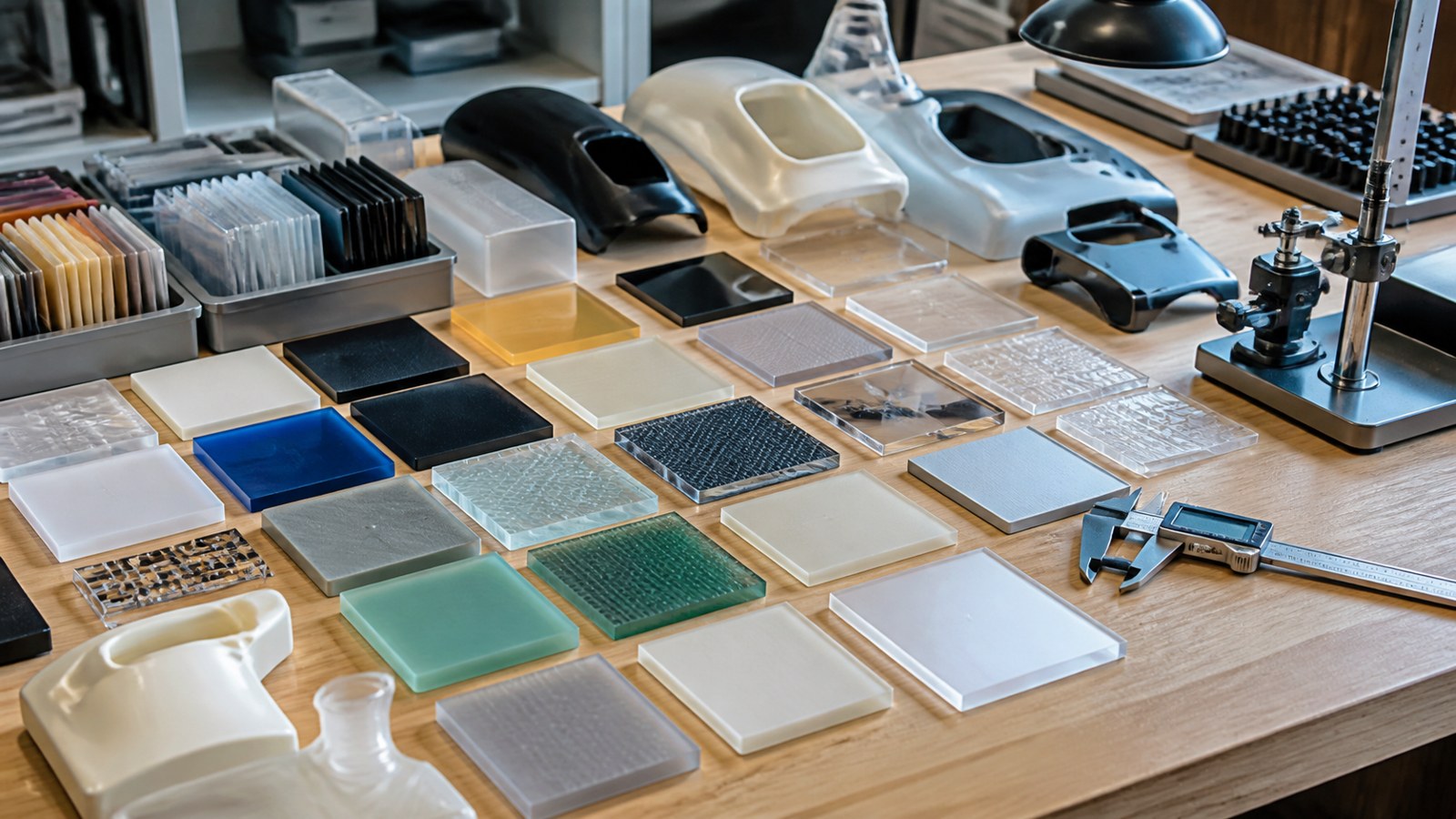
CNC machining allows plastic blocks, sheets, and rods to become precise functional parts. Laser cutting is common for acrylic and certain sheet plastics. 3D printing has made polymer prototyping faster and more accessible, using materials like PLA, PETG, ABS, nylon, TPU, and resin systems. Composite manufacturing combines polymer resins with fibers such as glass, carbon, or aramid to create lightweight, strong structures. For designers, polymer selection and part geometry must work together. Wall thickness, ribs, bosses, snap-fits, draft angles, shrinkage, surface finish, chemical exposure, and assembly method all influence success. A good polymer part is not simply a metal part made from plastic. It is designed around the strengths and limits of polymer behavior.
Polymers in Everyday Life
Polymers quietly support daily life in thousands of ways. Packaging films keep food fresh. Bottles and containers protect liquids and products. Clothing fibers provide comfort, stretch, durability, and moisture control. Foam cushions make furniture, shoes, helmets, and packaging safer and more comfortable. Adhesives hold products together. Coatings protect surfaces from corrosion, weather, and wear.
In homes, polymers appear in flooring, insulation, pipes, wire coatings, countertops, appliances, furniture, paints, sealants, and storage products. In transportation, they reduce vehicle weight, improve fuel efficiency, dampen vibration, protect wiring, and create durable interior and exterior components. In electronics, they insulate circuits, protect screens, form housings, and support flexible devices. The medical field relies heavily on polymers. Medical tubing, syringes, implants, prosthetics, diagnostic devices, surgical tools, wound dressings, and sterile packaging all use polymer materials. Their light weight, clarity, flexibility, biocompatibility, and manufacturability make them essential in healthcare.
Advanced Polymer Applications
Beyond everyday products, advanced polymers are pushing innovation forward. High-performance polymers such as PEEK, PPS, PEI, PTFE, and polyimide can perform in demanding environments involving high heat, chemicals, friction, electrical stress, or strict safety requirements. These materials are used in aerospace, energy, semiconductor, medical, automotive, and industrial applications.
Conductive polymers and polymer composites are important in electronics, sensors, batteries, electromagnetic shielding, and smart materials. Hydrogels are used in contact lenses, wound care, tissue engineering, and drug delivery. Shape-memory polymers can respond to heat or other triggers. Self-healing polymers are being explored for coatings, structural materials, and long-lasting products.
Fiber-reinforced polymer composites are especially important. Carbon-fiber and glass-fiber composites provide high strength at low weight, making them valuable in aircraft, sporting goods, marine products, automotive parts, wind turbine blades, and architectural structures. These materials show how polymers can become the foundation of advanced engineering systems, not just everyday plastic items.
Sustainability and the Future of Polymers
Polymers create enormous value, but they also create environmental challenges when products are poorly designed, overused, discarded improperly, or not recovered. Plastic pollution, landfill waste, fossil feedstock dependence, and difficult-to-recycle material combinations are real concerns. The future of polymers depends on better design, better recycling, smarter material choices, and more circular systems.
Sustainable polymer strategies include reducing unnecessary material, designing for durability, using recycled content, improving mechanical recycling, developing chemical recycling for difficult streams, choosing bio-based feedstocks where appropriate, and creating products that are easier to repair, reuse, or recycle. Biodegradable polymers can be useful in specific applications, but they are not a universal solution. Their benefits depend on proper use, collection, and composting or degradation conditions. The most responsible approach is not to reject polymers entirely. It is to use them intelligently. Polymers can reduce food waste, lower transportation weight, improve medical safety, protect products, and extend service life. The challenge is to keep their value in circulation and prevent them from becoming unmanaged waste.
How to Understand Polymers as a Designer, Maker, or Buyer
Understanding polymers begins with asking what the material needs to do. Does it need to be clear, flexible, strong, tough, soft, slippery, rigid, heat-resistant, UV-stable, food-safe, chemical-resistant, recyclable, or low-cost? Does it need to be molded, printed, machined, extruded, welded, painted, bonded, or formed? Does the part need to survive outdoors, underwater, inside a machine, next to electronics, or in contact with people?
A smart material choice is a match between structure, property, process, and application. Acrylic may be beautiful for a display but wrong for an impact shield. Polycarbonate may be tough but need coating to resist scratches. Nylon may be strong but absorb moisture. HDPE may be rugged but difficult to glue. Silicone may be flexible and heat-stable but require different processing than thermoplastics.
The more designers and makers understand polymer behavior, the better their products become. Polymer knowledge reduces failures, improves performance, supports sustainability, and opens creative possibilities.
Polymers Are the Architecture of Modern Materials
Polymers are the long-chain molecules behind plastics, rubber, fibers, resins, adhesives, coatings, foams, composites, and many natural materials. Their structure determines their properties, and their properties shape how they are used. From simple packaging to life-saving medical devices, from flexible seals to aerospace composites, polymers are central to modern innovation.
What makes polymers exciting is their adaptability. By changing chemistry, chain structure, additives, processing, and design, humans can create materials with astonishingly different behaviors. A polymer can be soft enough to cushion a shoe, clear enough to replace glass, tough enough to protect machinery, strong enough to reinforce aircraft, or precise enough for medical devices. To understand polymers is to understand one of the most powerful material families in the world. They are not just plastics. They are the building blocks of modern design, engineering, manufacturing, healthcare, transportation, packaging, and future technology. Used wisely, polymers offer a remarkable path toward products that are lighter, safer, stronger, smarter, and more sustainable.