Q: Should I learn milling or turning first?
A: Many beginners start with milling, but learning both together helps you see how parts come together.
Q: How do I choose cutting speeds?
A: Use a basic chart or calculator for your material and tool size, then adjust based on chip color and finish.
Q: Why do my tools chatter?
A: Chatter often means the setup is loose, the tool is too long, or your depth of cut and feed are mismatched.
Q: How accurate can a small mill or lathe be?
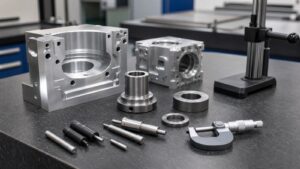
A: With careful setup, measurement, and light finishing passes, hobby-sized machines can produce very precise parts.
Q: Do I need coolant for every cut?
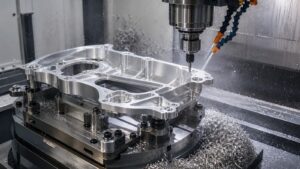
A: Not always; light cuts in some materials can run dry, but coolant often improves tool life and finish.
Q: How do I keep chips under control?
A: Use chip guards, brushes, and sensible feeds; never use your hands to clear chips while the machine is running.
Q: Can I machine plastics and wood?
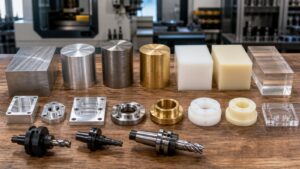
A: Yes, with appropriate tooling and speeds, but manage chips and dust carefully to protect your machines.
Q: What’s a good first project?
A: Start with simple blocks, spacers, or a layout square that require accurate faces, edges, and holes.
Q: How do I know when a tool is dull?
A: Dull tools squeal, rub instead of cut, leave rough finishes, and may produce excessive heat or smoke.
Q: How does CNC change milling and turning?
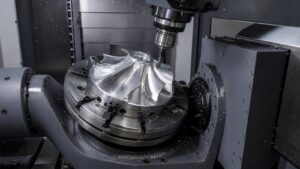
A: CNC automates motion and toolpaths, but the same fundamentals—setup, tooling, and workholding—still matter.