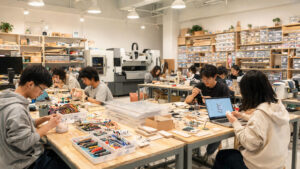
Step into the hum of creativity where ideas stop being sketches and start becoming things. Maker Spaces and Fab Labs are modern workshops built for curious hands—part studio, part classroom, part invention launchpad. Inside, you’ll find shared tools for cutting, printing, soldering, stitching, scanning, shaping, and prototyping, all supported by a culture of experimentation and friendly know-how. Whether you’re refining a product concept, repairing something you love, building cosplay armor, crafting custom furniture, or learning CAD for the first time, these spaces turn “I wish” into “I made.” This section gathers our best guides on finding the right lab, getting certified on equipment, choosing materials, designing for 3D printing and laser cutting, and working safely around machines. You’ll also explore project workflows, community etiquette, membership models, and smart ways to document and share your builds. Bring your questions, your rough drafts, and your boldest curiosity—Fabrication Streets is where making gets real. From weekend tinkerers to startup teams, the best labs feel like collaborative playgrounds—where mistakes are data, mentors are nearby, and progress is loud, always.
A: Closed-toe shoes, eye protection if you have it, and a simple project idea or reference photos.
A: Usually no—most offer orientations, classes, and mentors to get you started safely.
A: Use 3D printing for volume shapes; laser cutting for fast, precise flat parts and assemblies.
A: Make small test cuts/prints, confirm dimensions, then run the full job.
A: Commonly CAD tools plus slicers/CAM apps—your lab will recommend formats and workflows.
A: You’ll often take a short class or check-out to prove safe operation before solo use.
A: Often yes, but labs may restrict certain plastics, foams, or woods for safety and machine health.
A: Clean your area, label parts, respect reservations, and ask before borrowing tools or designs.
A: Arrive prepared—files checked, settings understood, and all needed tools ready to minimize setup time.
A: Stop safely, notify staff if needed, document what happened, and adjust one variable at a time.