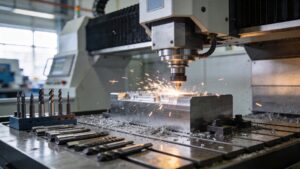
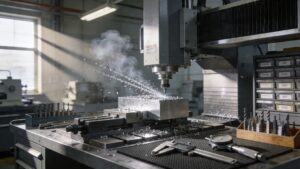
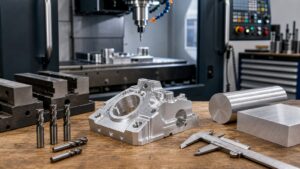
CNC Machining on Fabrication Streets is where raw stock turns into precision parts under a spray of coolant, sparks, and code. This sub-category is your doorway into a world where digital designs become real-world components—whether you’re shaping aluminum brackets for a prototype, steel fixtures for production, or custom parts for a side hustle. We’ll walk through how G-code, toolpaths, and workholding all work together so your machine cuts what you actually meant to draw. You’ll explore mills, lathes, routers, and hybrid setups, plus how feeds, speeds, and stepovers affect surface finish and cycle time. Along the way, we’ll keep safety, repeatability, and machine health at the center of every decision. From your first simple pocket cut to multi-axis contouring and batch runs, CNC Machining on Fabrication Streets is here to demystify the screens and sounds of modern shops. Every article is built to turn curiosity into confidence—one clean chip and accurate part at a time.
A: For most work, yes—CAD defines the part, and CAM turns it into machine-ready toolpaths.
A: Common choices include aluminum, steels, plastics, brass, and composites, each with its own best practices.
A: Very—secure, repeatable fixturing is crucial for accuracy, safety, and reliable surface finish.
A: Yes, with training, supervision, and a safety-first mindset; starting simple is the key.
A: Offsets tell the machine where each tool tip is, so cuts land where the program expects.
A: Good chips, reasonable spindle load, and stable cut sound are strong signals you’re close.
A: Coolant helps control heat, flush chips, and improve tool life and surface finish.
A: Many setups can hold tight tolerances when properly maintained and paired with good tooling.
A: Often yes; organized tooling, fixtures, and programs make switching more efficient.
A: A simple plate or bracket with pockets, holes, and chamfers—just enough variety to learn the workflow.